Romania's Protected Landscapes — A Field Reference
Structured notes on national parks, biosphere reserves, and Natura 2000 sites across Romania. Biodiversity data, current regulations, and documented trail networks — without promotional language.
FEATURED AREAS
Three Parks, Three Distinct Ecosystems

Retezat: Glacial Lakes and Endemic Flora in Romania's Oldest Park
Established in 1935 and designated a UNESCO Biosphere Reserve in 1979, Retezat covers 38,138 hectares and holds over 1,190 plant species — 90 of them endemic to its subalpine zone.
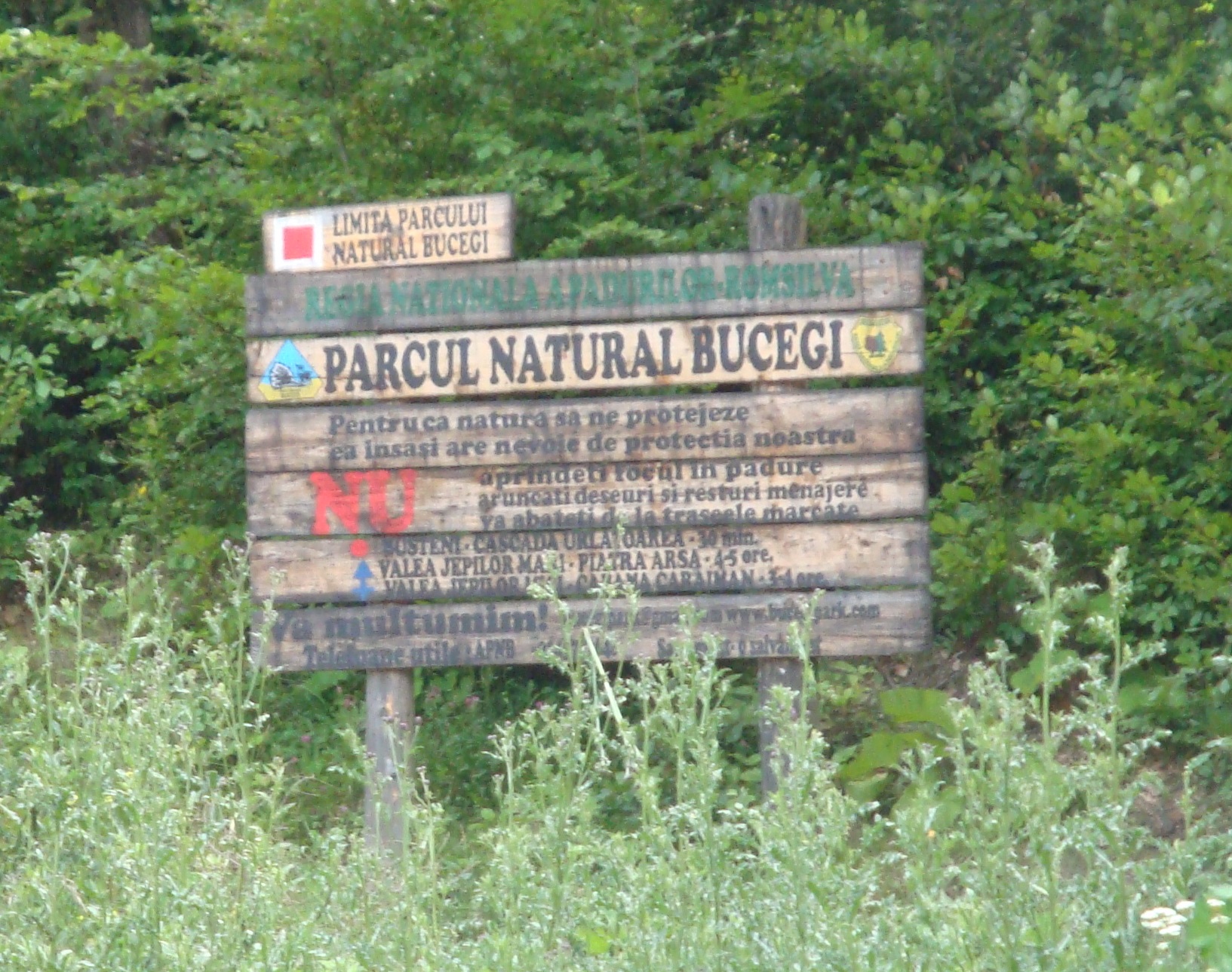
Bucegi: Plateau Rock Formations and Regulated Trail Networks
The Bucegi plateau sits above 2,000 m and protects the Sphinx and Babele geological formations, chamois habitat, and ten designated theme trails with a current entry fee of 10 RON.

Cheile Bicazului-Hășmaș: Limestone Gorges and the Story of Red Lake
Seven thousand hectares of Eastern Carpathian limestone, with walls exceeding 300 m and a lake formed by a natural dam event in 1837. The park hosts 1,147 higher plant species.
Retezat: Romania's First Protected Wilderness
The park's 43 marked routes range from half-day circuits around Bucura Lake — at 10.8 ha, the largest glacial lake in Romania — to multi-day traversals across the main ridge. Entry into the strict reserve core (Gemenele) requires a permit issued by the park administration in Hațeg.
Read the full overviewBIODIVERSITY SNAPSHOTS
What the Data Shows Across Protected Areas

Bicaz Gorge
300-metre limestone walls, carved over millions of years by the Bicaz River through Jurassic rock.

Canyon Section
The narrowest corridor of the gorge — known locally as Gâtul Iadului (Hell's Throat) — runs barely 8 metres wide.

Old-Growth Forest
Retezat contains one of the largest contiguous old-growth beech and spruce stands in temperate Europe.
Visiting Rules Apply Equally to All Zones
Romania's national park regulations prohibit collecting plants, disturbing wildlife, and camping outside designated areas — in all three parks covered here. Fires are allowed only in marked fire pits in specific camping zones. Off-trail movement in strict reserve cores requires written authorisation.
Bucegi park rules in detailThe Carpathians Hold 60% of Europe's Brown Bear Population
Romania's Carpathian mountain range is one of the last refuges in Europe for large carnivores at scale. Retezat, Bucegi, and Cheile Bicazului-Hășmaș all support resident bear, wolf, and Eurasian lynx populations. Sightings near park boundaries are common between April and October — particularly at dawn and dusk along river corridors.
How These Areas Are Classified
Romania operates three parallel classification systems simultaneously: national designations under Law 5/2000 (national parks, natural parks, nature reserves), EU Natura 2000 network designations (SACs and SPAs), and UNESCO biosphere reserve designations. Many sites carry all three labels, each with its own management plan and permit requirements.
About this archiveA Question or a Correction?
All factual claims on this site reference official park documentation or published scientific literature. If something is out of date, write to the editorial address below.
Contact the archive